Aston Martin Vantage S Review and Specifications for Saudi Arabia (2026)
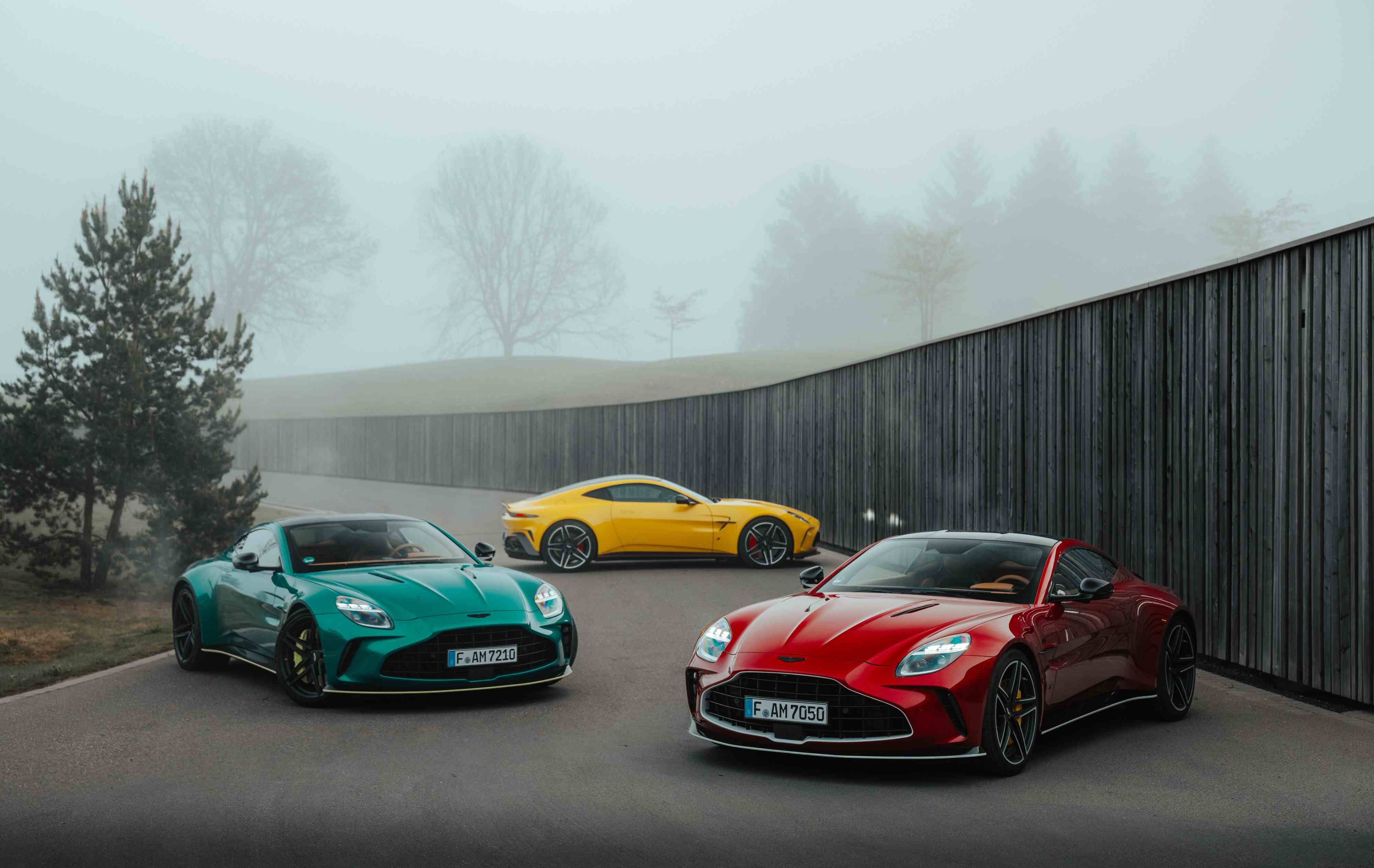
Table of Contents
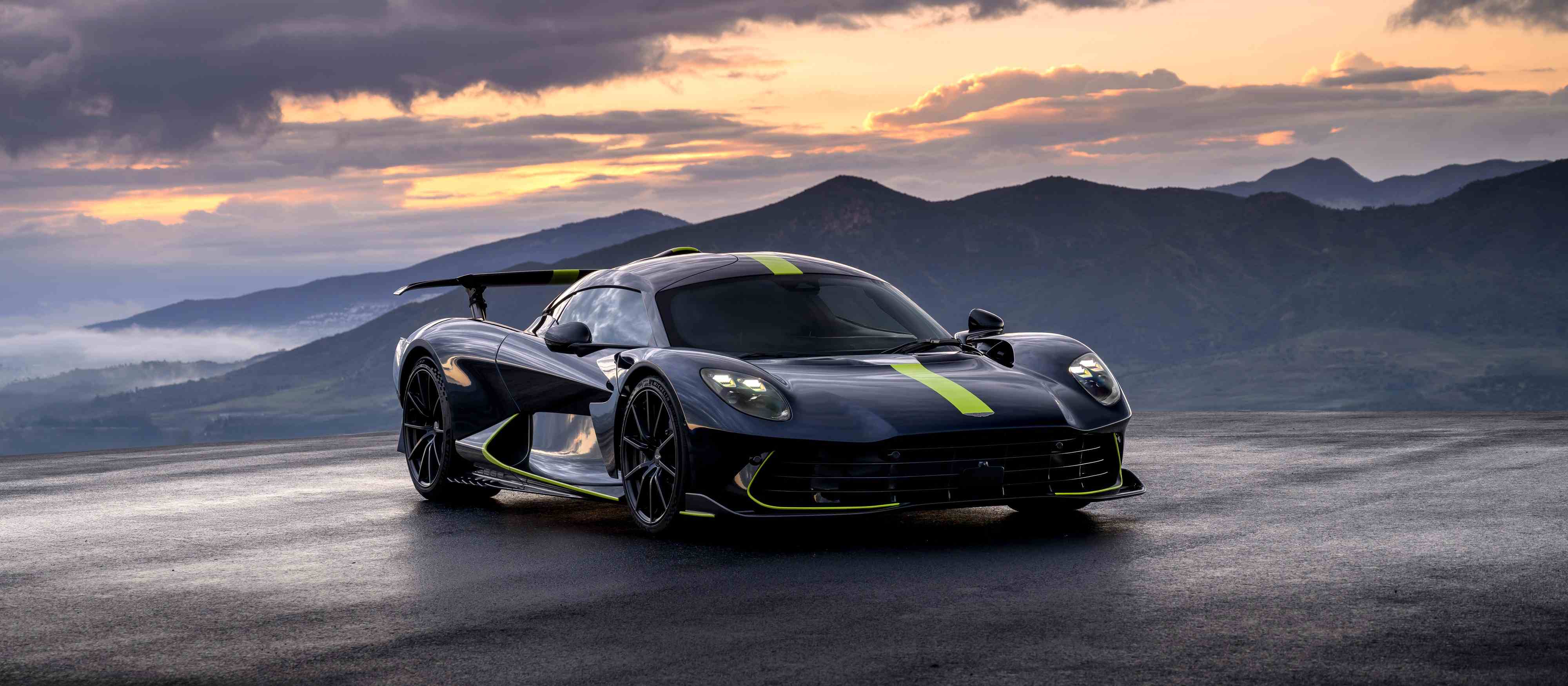
The Aston Martin Vantage S is a two-seat, front-engined sports car with a 4.0-litre twin-turbo V8 producing 680 PS and 800 Nm. It reaches 100 km/h in 3.4 seconds and tops out at 325 km/h. Rear-wheel drive, an eight-speed automatic and a usable boot make it a sports car you can drive daily in Saudi Arabia. It is offered here as a Coupe and as a Roadster.
The Aston Martin Vantage S is the smallest and hardest-edged car Aston Martin builds, and it is the version of the Vantage offered in the Kingdom. Anyone can make a car feel special for thirty seconds. The harder test, and the one the S is built around, is whether something this focused still makes sense at eight on a Tuesday morning when you simply have somewhere to be.
It does, and that answer takes some explaining. What follows is what the S changes over the Vantage it is based on, what it does on Saudi roads, how the Coupe and Roadster differ, and what a year of ownership here actually involves. Pricing sits separately in the Vantage price guide.
Verdict in brief. A properly quick, properly involving sports car with a cabin that has finally caught up to the price of entry. Buy it if you want a driver's car you can use every day. Look elsewhere if you need rear seats, if you want a soft grand tourer, or if luggage space decides your purchases.
What makes the Aston Martin Vantage S different from the standard Vantage?
The S is not a badge and a spoiler. Aston Martin raised output, shortened the gearing and changed the way the back of the car is bolted together, and it is the last two of those that you actually feel.
Power rises to 680 PS from 665 PS, torque stays at 800 Nm, and the gain is modest. Fifteen horsepower is not what makes this car different. What it buys you is the top of the rev range: the S keeps pulling hard through the last thousand revs, where the standard engine had begun to ease off. That happens to be exactly where you are when the road is good.
The consequential change is the final drive, shortened to 3.083:1. Shorter gearing makes every ratio feel more urgent without touching the engine at all, which is why the S answers the throttle mid corner in a way 15 PS could never account for on its own. It also takes two tenths off the 0 to 100 km/h time. That is the rarest sort of engineering change: one you notice everywhere and pay for nowhere.
At the back, the subframe now bolts directly to the body instead of sitting in compliant bushes, with the adaptive dampers recalibrated to suit. Take out that layer of rubber and the car stops paraphrasing the road for you. Turn-in sharpens, and the rear axle begins reporting what it is doing as it happens rather than shortly afterwards. It is also, unavoidably, a firmer car. That is an excellent trade for a driver who wants this and a poor one for a driver who does not, and it is worth being honest with yourself about which you are.
Aerodynamic and carbon fibre options go further than on the car it is based on, including a full-width rear spoiler. Carbon components are optional rather than standard, so an S is not automatically lighter than a standard Vantage.
What the Aston Martin Vantage S engine produces
_1791367203.jpg)
The Vantage S runs a 4.0-litre twin-turbocharged V8 set behind the front axle line, driving the rear wheels through an eight-speed automatic. The layout is conventional and entirely deliberate: front-mid engine, rear transaxle, weight distribution close to even.
You feel that decision in the first corner you take seriously. The car pivots around you instead of leading with its nose. Torque peaks early and holds flat between roughly 3,000 and 6,000 rpm, so the S is quick at the revs you actually use and never needs wringing out to feel fast. The eight-speed shifts hard enough in the sharper modes to keep pace with the engine, and in GT mode it simply vanishes.
The component that decides this car's character, though, is the electronic rear differential. It travels from fully open to fully locked in a fraction of a second. That is what allows the S to rotate into a corner and then put 680 PS down on the way out rather than scrabbling at the exit. Add the wide rear track and the shorter final drive, and a rear-drive car with this much power turns out to be considerably more approachable than the number on the page suggests.
- Official Vantage S Figures
- Engine: 4.0-litre twin-turbocharged V8
- Maximum power: 680 PS (671 bhp)
- Maximum torque: 800 Nm
- 0 to 100 km/h: 3.4 seconds
- Maximum speed: 325 km/h
- Transmission: eight-speed automatic
- Drive: rear-wheel drive with electronic rear differential
- Final drive ratio: 3.083:1
- Seats: 2
How the Vantage S drives on Saudi roads
A sports car in the Kingdom faces two tests. It has to cover a long highway stage without punishing the person driving it, and it has to reward a good road rather than feel wasted on one. Most cars in this class pass one and quietly fail the other.
The S clears the first more comfortably than its specification implies. Select GT and the dampers go genuinely soft, the exhaust drops to a murmur, the steering lightens. The ride is firm, and there is no sense pretending otherwise, but it is controlled rather than brittle. Expansion joints arrive as information rather than as impacts. Anyone moving across from a grand tourer should still take one over a rough stretch before signing anything.
Then you select Sport Plus and the car changes its mind about you. Body control goes taut, the throttle sharpens, the gearbox stops being polite and starts holding ratios. On a mountain road the S finally makes complete sense. The steering is quick without ever turning nervous, and the nose goes precisely where you put it with a directness that has become rare. This is also where the shorter final drive stops being a specification and becomes a sensation. Third gear now covers ground that used to demand a downshift, so you stay in the strongest part of the engine through a whole sequence of corners instead of reaching for a paddle at every one.
Heat management earns its own paragraph. The S carries substantially more cooling capacity than the previous-generation Vantage, and that matters on a Saudi afternoon in a way it simply does not in northern Europe. Sustained high-speed running at 45 degrees is an ordinary Tuesday here rather than a laboratory scenario, and this car was engineered around that condition instead of being adapted to it afterwards.
Two practical notes. The car is low, so compound ramps and speed bumps need care, and the front aero package on a heavily optioned S lowers the clearance further. Tyre pressures also move considerably with ambient temperature, so they want checking more often than the handbook's default assumption implies.
Inside the Vantage S cabin
_1791367235.jpg)
Two seats, a boot that takes real luggage, and a cabin that has finally stopped feeling like the place where the budget ran out. Earlier generations of this car asked owners to forgive the interior. This one does not need the favour.
The driving position is low and adjustable through a wide range, with the wheel adjusting far enough for tall drivers. Material quality is a clear step up on the previous generation: leather, Alcantara and knurled metal, with genuine carbon fibre where it is structural rather than decorative. Q by Aston Martin personalisation opens up paint, trim, stitching and detailing beyond the standard palette, and is worth raising at order stage rather than after.
The infotainment is Aston Martin's own system rather than a licensed platform. Wireless smartphone mirroring works, the screen responds without lag, and the climate and drive-mode controls have stayed resolutely physical. That last decision sounds like a footnote in a showroom and feels like a gift in your third August, when the cabin is still shedding heat and you want maximum fan without taking your eyes off the road to hunt through a menu. Instrumentation is a fully digital cluster with configurable layouts.
Daily usability comes down to the boot, and the boot is honest about itself. A weekend bag and soft luggage, or a substantial grocery run. Not a golf bag and a pushchair. Anyone who needs the second list should be looking at the DBX S instead, and a good sales conversation will tell you that in the showroom rather than let you find it out in a car park.
How the Vantage S Coupe and Roadster compare
_1791367257.jpg)
Both body styles come in S specification and share the mechanical package, so this is a question about how you intend to use the car rather than about which one is quicker.
The Coupe keeps the fixed roof, the stiffer structure and the larger boot. The Roadster trades a little of each for a folding fabric roof and gives away a fraction on acceleration in the process. Neither difference changes what the car fundamentally is.
| Vantage S Coupe | Vantage S Roadster | |
|---|---|---|
| Body | Coupe, fixed roof | Convertible, folding fabric roof |
| Maximum power | 680 PS | 680 PS |
| Maximum torque | 800 Nm | 800 Nm |
| 0 to 100 km/h | 3.4 seconds | Marginally behind the Coupe |
| Final drive | 3.083:1 | 3.083:1 |
| Luggage space | Larger | Reduced by the roof stowage |
| Seats | 2 | 2 |
| Best for | The complete sports car | Open-top driving in winter months |
For most Saudi buyers this is the only decision that genuinely matters, and the case for the Roadster is stronger here than people expect. The Kingdom's open-top season runs from November through March. That is five months of evenings where dropping the roof on a coast road is the entire reason you bought the car. Buyers talk themselves out of the Roadster while thinking about August. They should be thinking about January.
Aston Martin Vantage S full specification table
Full Aston Martin Vantage S specification below, taken from Aston Martin official data. Specification varies by market and by individual order. Confirm the detail of any particular car with the authorised dealer before committing.
| Specification | Aston Martin Vantage S |
|---|---|
| Body style | Two-seat coupe, front-engined |
| Engine | 4.0-litre twin-turbocharged V8 |
| Maximum power | 680 PS / 671 bhp |
| Maximum torque | 800 Nm |
| 0 to 100 km/h | 3.4 seconds |
| Maximum speed | 325 km/h |
| Transmission | Eight-speed automatic |
| Driven wheels | Rear-wheel drive, electronic rear differential |
| Final drive ratio | 3.083:1 |
| Suspension | Adaptive dampers, multi-mode, with a directly mounted rear subframe |
| Seats | 2 |
| Body styles offered | Vantage S Coupe, Vantage S Roadster |
Is the Aston Martin Vantage S right for Saudi buyers?
The verdict. The Vantage S is the most convincing car in its class for a Saudi buyer who wants to drive. The chassis is exceptional, the engine is flexible enough for city use, the cooling is engineered for genuine heat, and the cabin no longer asks for excuses. The shorter gearing and the firmer rear end make it sharper than the car it is based on without making it difficult. It works as a daily car in a way the previous generation did not.
One honest qualification. The S is a more focused car than the standard Vantage, not simply a better-equipped one, and the directly mounted rear subframe is the reason. If your roads are poor and your mileage is mostly urban, drive one over a surface you actually use before you decide.
What Vantage S ownership involves in the Kingdom
Owning a Vantage S in Saudi Arabia is straightforward, and it stays straightforward for precisely as long as the car goes through the official channel.
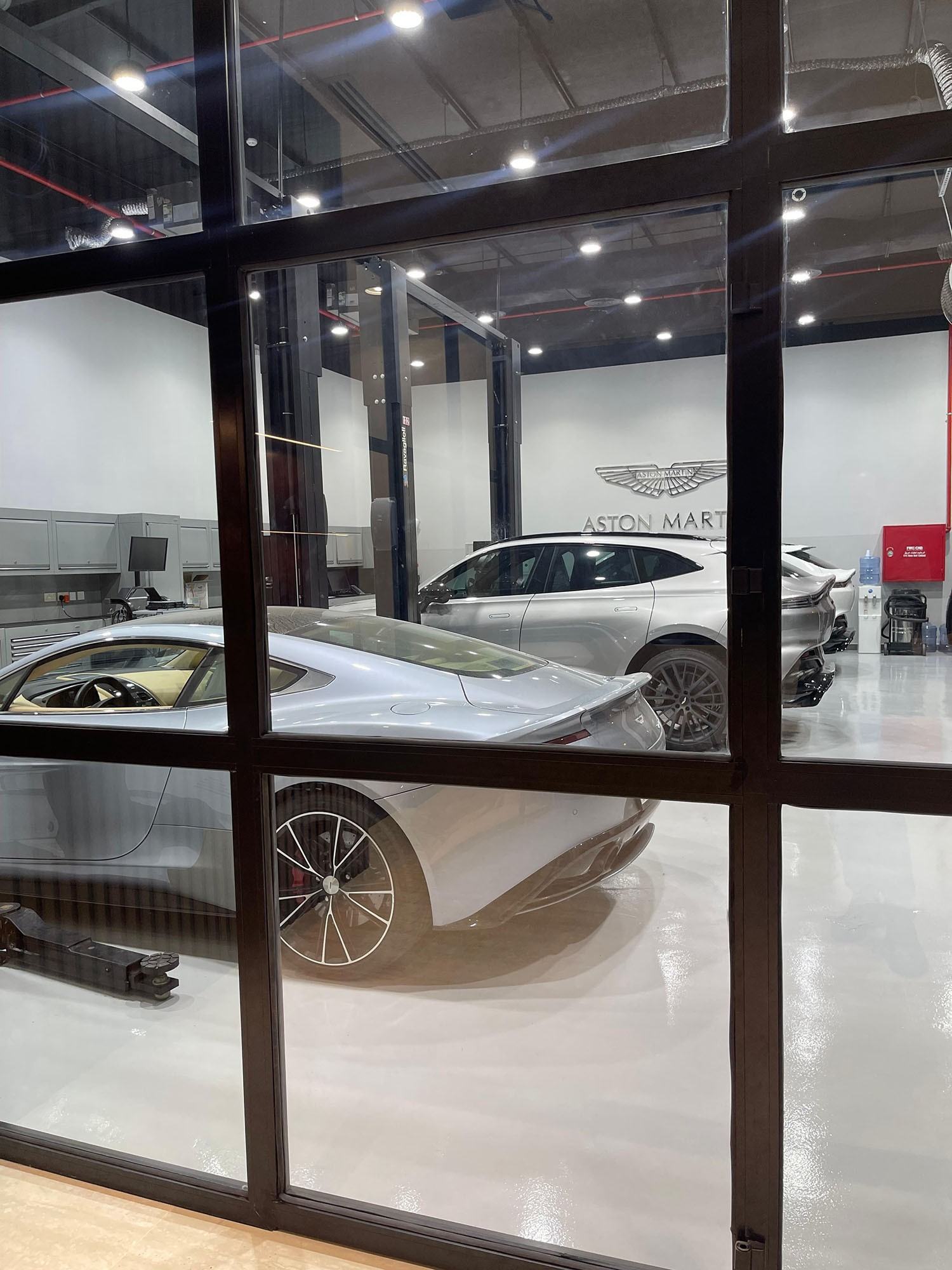
Scheduled servicing is carried out at the official Aston Martin service centre by Aston Martin certified service technicians, using the diagnostic equipment and specialist tooling the car was designed around. Service intervals are set by time as well as distance, which matters here: a car that covers few kilometres through a Saudi summer still needs servicing on schedule, because heat degrades fluids regardless of mileage.
Genuine Aston Martin parts are supplied through the dealer and carry a 12-month parts warranty. Every visit is added to a digitally updated service record that stays with the car, which is the single most useful thing an owner can do for its resale position. Full detail sits on the Aston Martin service centre page.
The same logic works in reverse. If you would rather buy a car that is ready now than order a new one, Aston Martin's approved pre-owned cars, known as Timeless vehicles, are available in the Kingdom. Current stock in Saudi Arabia is listed on the official Aston Martin pre-owned website, so you can see what is there before you speak to the dealer.
Warranty terms are confirmed by the dealer at point of sale. Using an independent workshop for scheduled work can affect warranty position, so that conversation belongs before the first service, not after it.
Next step: book an Aston Martin Vantage S test drive
The Vantage S makes its own case from the driver's seat far better than any page can make it on the car's behalf. Book a test drive on a road you already know, and drive it in both GT and Sport Plus before you decide anything. The distance between those two modes is the whole character of the car, and it is not something you can read. You have to feel it. Contact the Aston Martin showroom to arrange a car, or browse the Aston Martin range in Saudi Arabia first.
Aston Martin Vantage S frequently asked questions
How much power does the Aston Martin Vantage S produce?
The Vantage S produces 680 PS, which is 671 bhp, and 800 Nm of torque from a 4.0-litre twin-turbocharged V8. It reaches 100 km/h in 3.4 seconds with a maximum speed of 325 km/h, according to Aston Martin official data.
What is the difference between the Vantage and the Vantage S?
The Vantage S produces 680 PS against the standard car's 665 PS, with the same 800 Nm. It uses a shorter 3.083:1 final drive for sharper in-gear response, mounts the rear subframe directly to the body for a crisper front end, and reaches 100 km/h in 3.4 seconds rather than 3.5. Carbon components are optional rather than standard.
Which Vantage is available in Saudi Arabia?
The Vantage S is the version offered through the authorised Aston Martin dealer in the Kingdom, in Coupe and Roadster body styles. Availability of individual specifications varies, so confirm with the showroom before ordering.
Is the Vantage S a practical daily driver in Saudi Arabia?
For one or two people, yes. The boot handles a weekend bag or a grocery run, the GT drive mode softens the ride meaningfully, and cooling is engineered for sustained high ambient temperatures. It has two seats, so it does not suit families.
Where can I test drive a Vantage S in Saudi Arabia?
Test drives are arranged through the authorised Aston Martin dealer in the Kingdom. Contact the showroom to check which cars are available to drive and to book an appointment. Availability varies, so booking ahead is worth doing.
What warranty does the Vantage S carry in the Kingdom?
Warranty terms are confirmed by the authorised dealer at point of sale. Genuine Aston Martin parts fitted by the official service centre carry a 12-month parts warranty, and servicing to the official schedule is what keeps warranty position intact.