The F1-Inspired Hybrid Hypercar: How Valhalla Takes Formula One to the Road
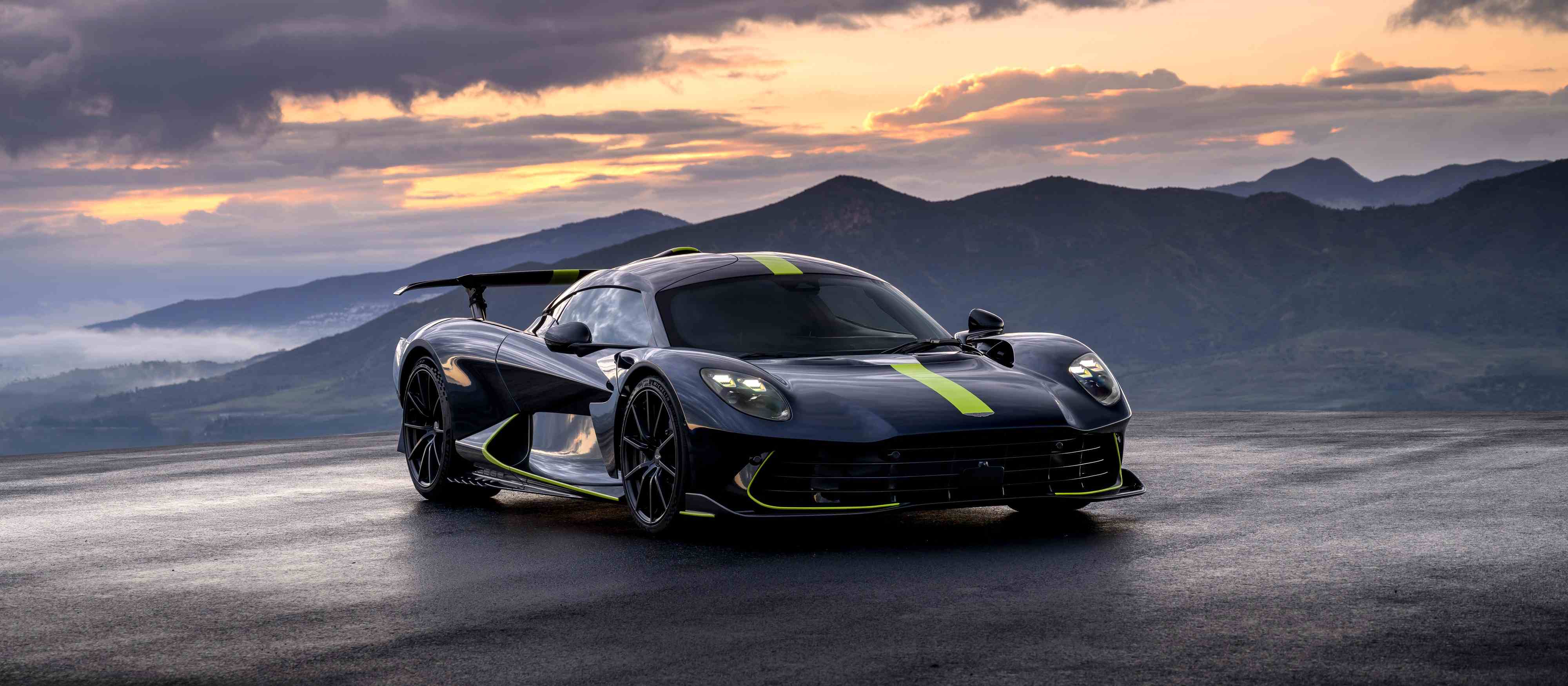
Table of Contents
The Aston Martin Valhalla is Aston Martin's first series-production mid-engine plug-in hybrid hypercar. A 4.0-litre twin-turbo V8 and three electric motors deliver 1,079 PS (1,064 bhp) and 1,100 Nm, for 0 to 100 km/h in 2.5 seconds and a top speed of 350 km/h. Production is limited to 999 cars, with first customer deliveries in December 2025.
Every so often a car company builds something that explains the rest of its range. For Aston Martin today, that car is the Valhalla.
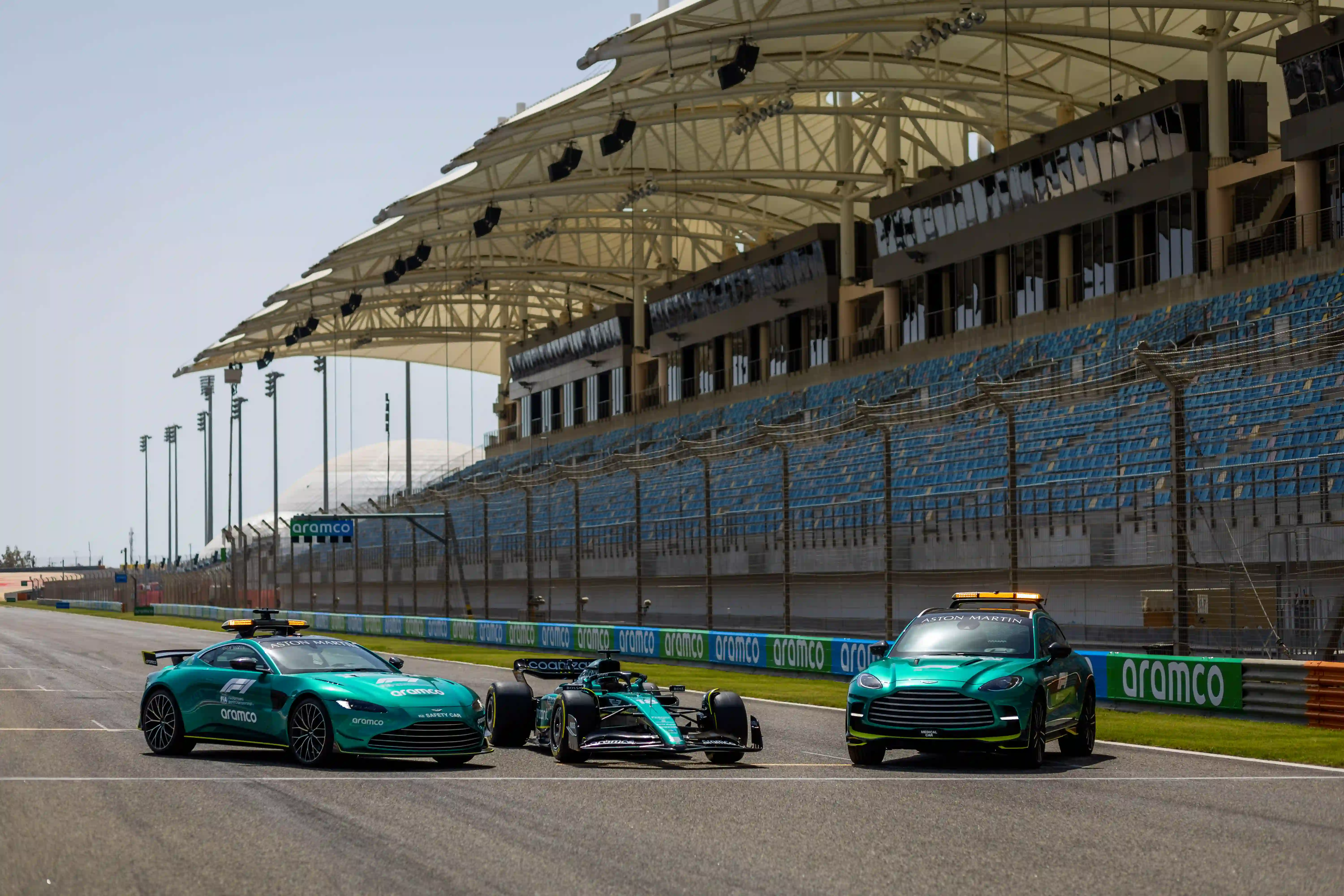
It sits between two worlds. On one side is the brand's Formula One team, racing the AMR26. On the other is the showroom, where grand tourers and SUVs earn their keep on Saudi highways. The Valhalla takes what the first world knows about aerodynamics, hybrid power and weight, and puts it into a car with number plates, air conditioning and a passenger seat.
What follows is what the Valhalla is, what it produces, where the Formula One thinking shows, what it is like to live with in the Kingdom, and how a Saudi collector goes about securing one.
What is the Aston Martin Valhalla?
The Valhalla is Aston Martin's first series-production mid-engine car built around a plug-in hybrid system. The engine sits behind the driver, and the electric motors are spread across both axles.
The concept, shown in 2019, was planned around an in-house V6. In 2021, the concept moved to a 4.0-litre twin-turbo V8, joined by three electric motors: one at the rear, working through the gearbox, and two driving the front wheels. The result is all-wheel drive with electric torque vectoring at the front axle, and a combined 1,079 PS.
The battery is small by electric-car standards, at 6.1 kWh, and that is deliberate. It is sized to deliver bursts of power and short zero-emission running rather than long electric range, which keeps weight down. The Valhalla weighs 1,655 kg dry, light for a car carrying this much hardware.
Around it all is a carbon fibre monocoque, the same principle as a racing car's survival cell. Production is limited to 999 cars, built at Gaydon, with first customer deliveries in December 2025. Within the Aston Martin range in Saudi Arabia, it is the car that sets the tone for everything else. For full specifications and to register interest, see the Aston Martin Valhalla model page.
Valhalla at a glance
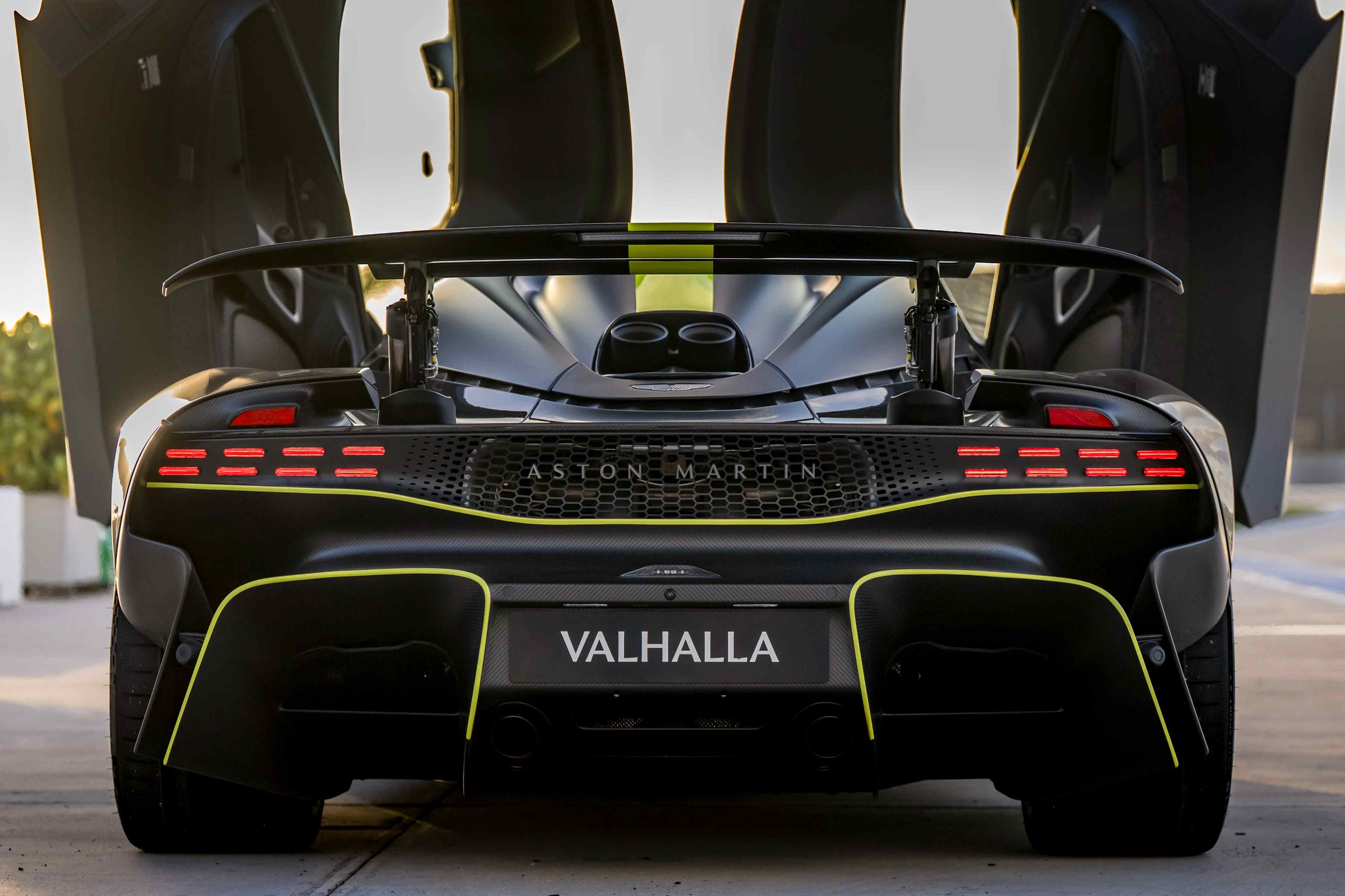
The figures below are Aston Martin official data.
| Specification | Aston Martin Valhalla |
| Layout | Mid-engine plug-in hybrid, all-wheel drive |
| Engine | 4.0-litre twin-turbo V8 |
| Electric motors | Three: one rear, two front |
| Battery | 6.1 kWh |
| Combined power | 1,079 PS (1,064 bhp) |
| Combined torque | 1,100 Nm |
| Transmission | Eight-speed dual-clutch |
| 0 to 100 km/h | 2.5 seconds |
| Top speed | 350 km/h |
| Electric-only running | Up to 14 km, at up to 140 km/h |
| Downforce | More than 600 kg at 240 km/h |
| Weight | 1,655 kg (dry) |
| Structure | Carbon fibre monocoque |
| Production | 999 cars |
| First deliveries | December 2025 |
Two numbers in that table say more than the headline power. The first is the downforce: more than 600 kg at 240 km/h, which means the car presses itself into the road harder the faster it goes. The second is the 14 km of electric running. It will not cover a commute, but it will take the car out of a residential compound before dawn without waking anyone, which is more useful in Riyadh or Jeddah than it sounds.
The gearbox has no conventional reverse gear. The rear electric motor handles reversing, which saves weight in the transmission, a small example of the thinking that runs through the whole car.
From Formula One to the road: where the technology shows
Aston Martin describes the Valhalla as Formula One-inspired, and the influence is specific rather than decorative.
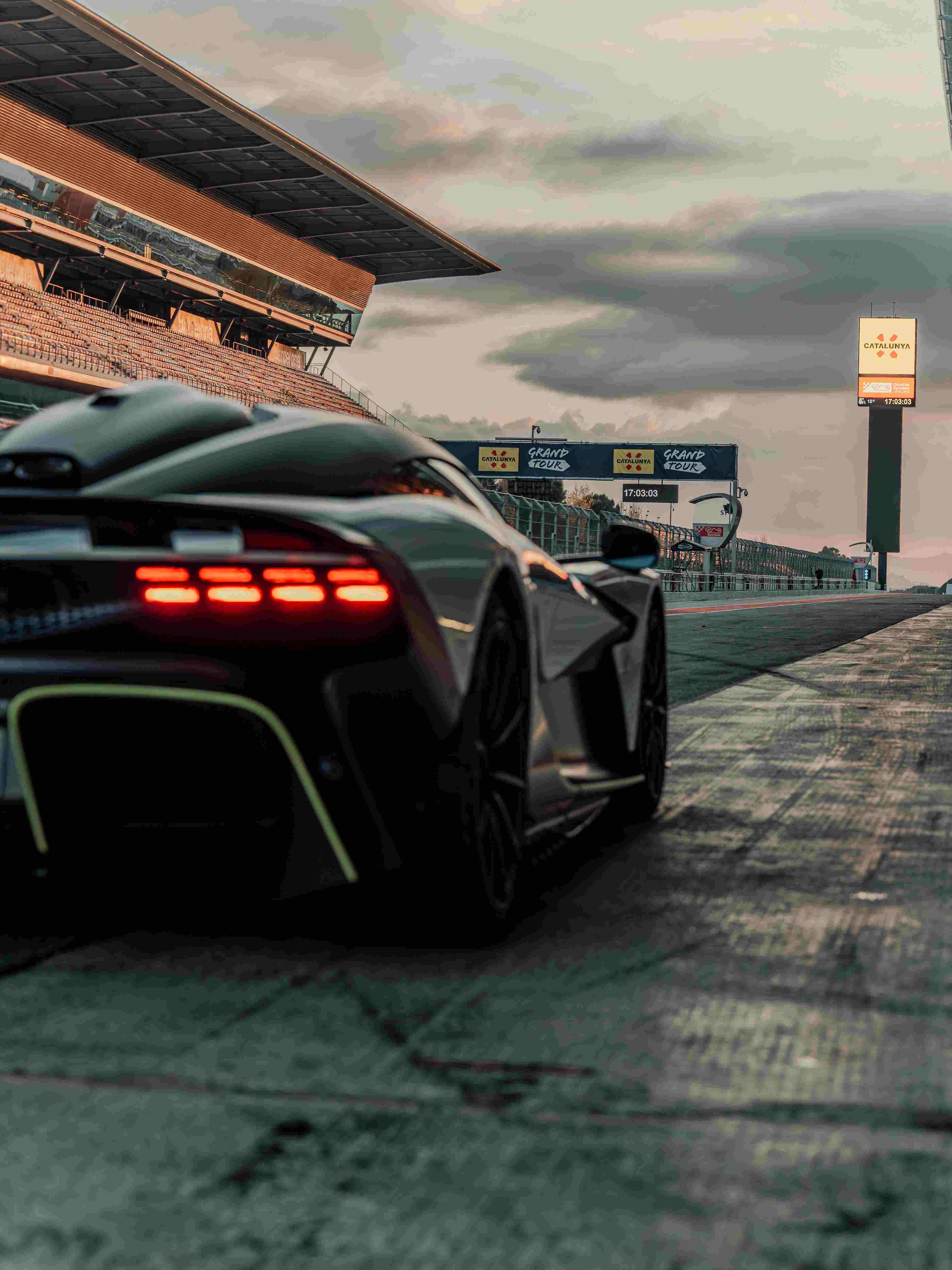
• The structure. The carbon fibre monocoque follows the racing principle of a rigid, light central cell with everything else attached to it.
• The front suspension. It is pushrod-actuated, the layout used on single-seaters, which keeps the springs and dampers inboard and out of the airflow.
• The aerodynamics. Active elements on the front and rear wings adjust downforce and drag as speed changes, the same trade-off a race team manages every weekend.
• The hybrid system. How electric power is deployed and recovered is now at the centre of Formula One, where the 2026 power units split their output roughly evenly between combustion and electric.
That last point is where the Valhalla meets the current race car. The two are not the same machine, and the Valhalla does not run on racing fuel, but they are solving related problems: how to get the most from a combustion engine and an electric system working together. The other half of that story is in AMR26 and the technology Aramco brings to Aston Martin's F1 team.
Valhalla design and the driving experience
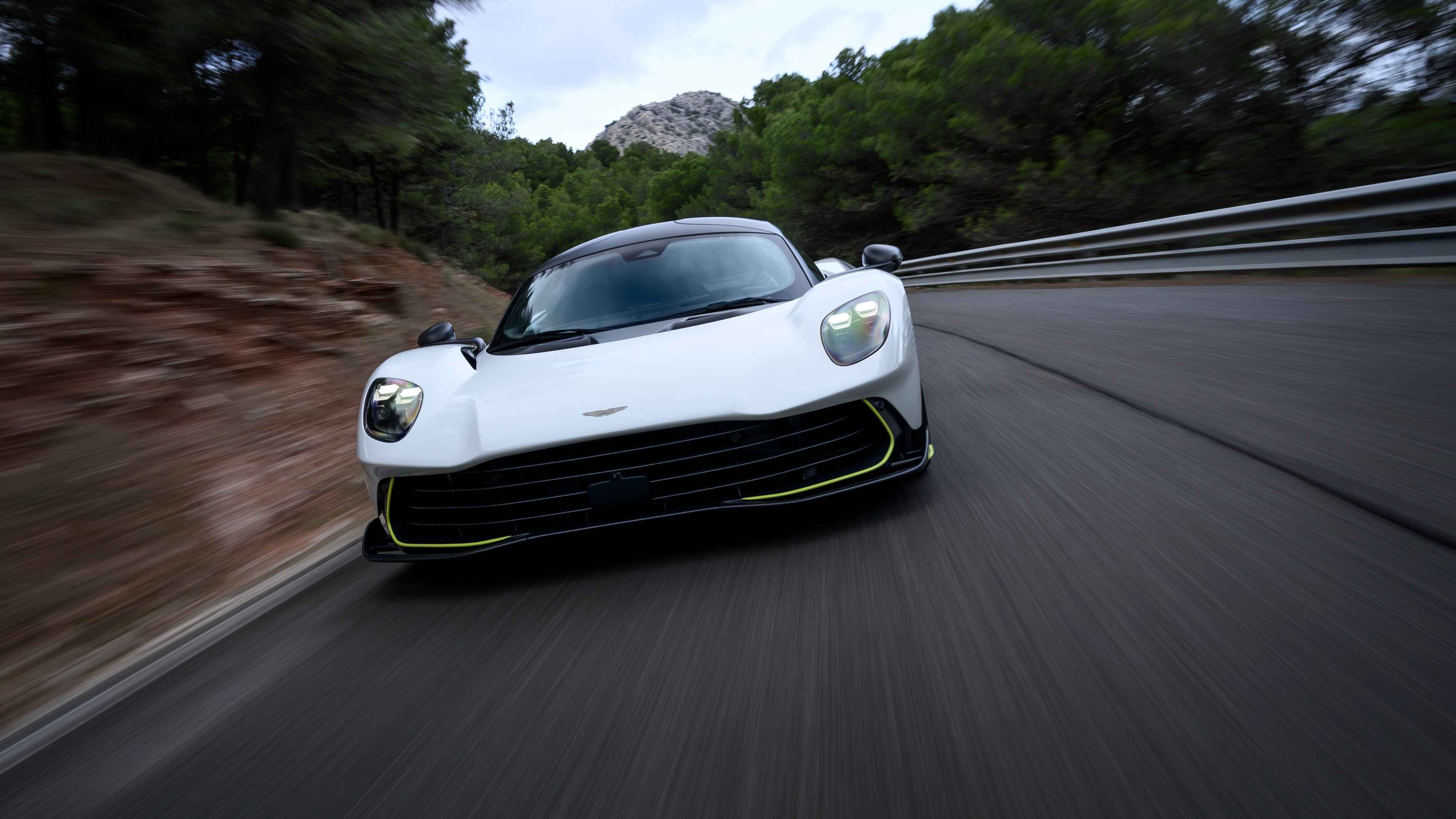
The Valhalla looks like what it is. The cabin sits forward, the engine sits as a visible mass behind it, and the body is shaped around airflow first. Dihedral doors swing up and forward, which makes getting in less of a contortion than the car's height suggests.
Inside, everything points at the driver. The seating position is low and reclined, the controls are pared back, and the display shows what a driver at speed needs and little else. Q by Aston Martin personalisation opens up paint, trim and detailing for owners who want their car to be one of one within a run of 999.
On the road, the electric motors change the character more than the numbers suggest. Front-axle torque vectoring pulls the nose into a corner, and the instant electric response fills the moment before the turbochargers are working. The Valhalla rewards a circuit, but Aston Martin built it to be used on the road as well, not kept for track days.
Owning an Aston Martin Valhalla in Saudi Arabia
A hypercar in the Kingdom faces the same climate as every other car here, with more at stake.
Servicing and support
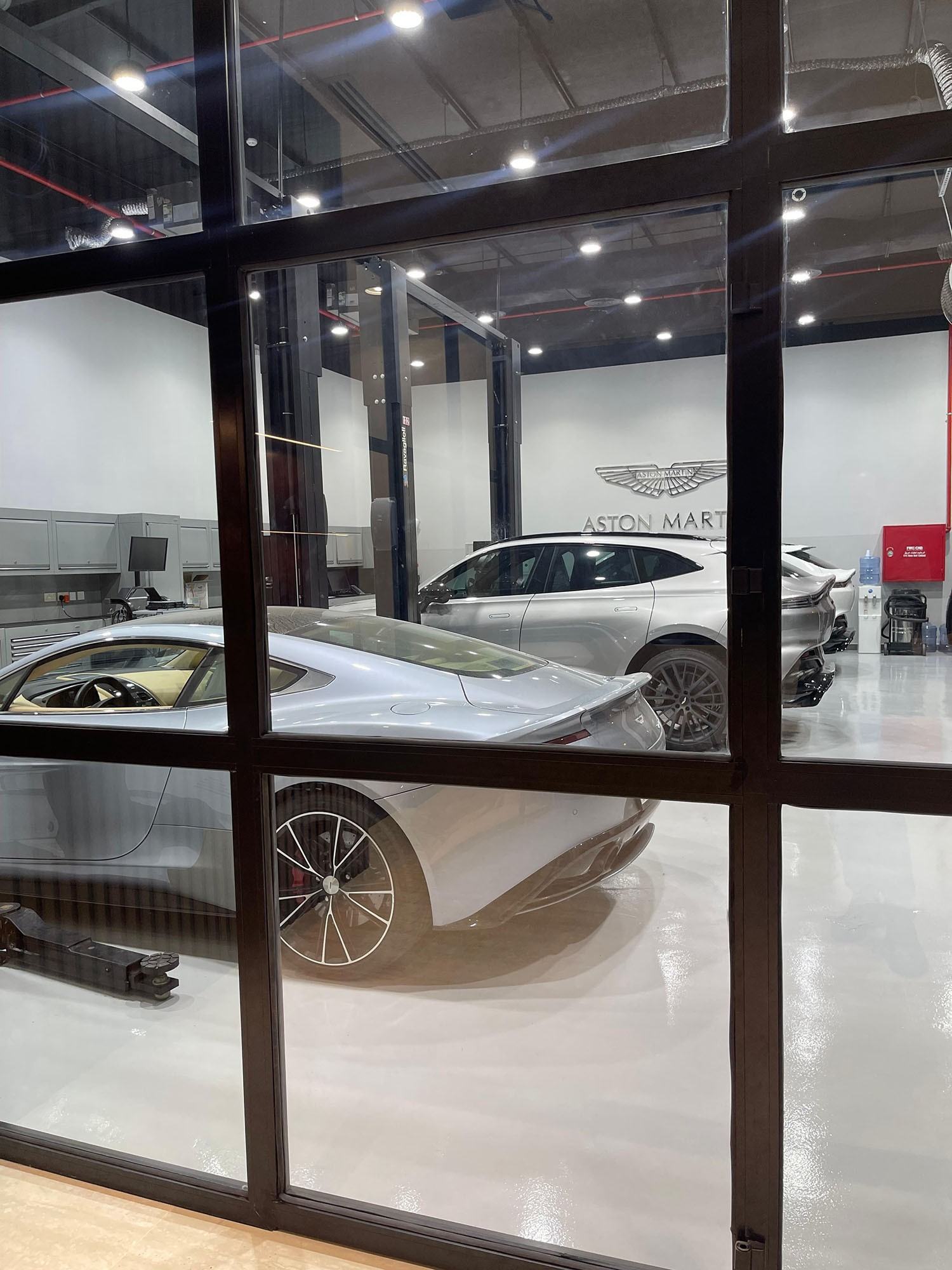
Servicing is carried out at the official Aston Martin service centre by Aston Martin certified technicians, with factory diagnostics for both the combustion and the hybrid systems. A car with a high-voltage system and a carbon structure is not one for a general workshop, however capable. Every visit goes into a digitally updated service record that stays with the car, and on a 999-car run that record is a large part of its value. Full detail sits on the Aston Martin service centre page.
Heat, charging and storage
Batteries of every kind dislike sustained heat, and a plug-in hybrid has two to think about: the 12-volt battery and the high-voltage pack. Shaded or covered parking, and keeping the car on a charger or maintainer when it stands for weeks over the summer, are the simplest protections. Because the pack is small, a home charger tops it up quickly.
Low ride height and a long nose mean compound ramps and speed bumps need care. The wider points about heat, dust and tyres are covered in Is Aston Martin Reliable? A Saudi Owner's Guide.
How to secure a Valhalla in Saudi Arabia: allocation and personalisation
The Valhalla is not a car you walk into a showroom and buy off the floor. With 999 cars for the world, it is allocated.
In practice, that means registering interest with the authorised dealer, who manages the allocation conversation with Aston Martin. An existing relationship with the brand can help, and it is worth raising at the first conversation rather than the last.
Where a new build slot is available, specification follows the same path as any Aston Martin order, with more riding on it. Paint, trim, carbon finishes and Q by Aston Martin bespoke elements are set at order and define the car for as long as it exists.
Where new allocation is not available, the alternative is a pre-owned Valhalla. With first deliveries only in December 2025, any such car will be nearly new, and the questions that matter are provenance, specification and an unbroken official service record.
Aston Martin’s own route for used cars is Timeless, its approved pre-owned programme, which operates in the Kingdom. If a Valhalla comes up through official channels, it will be listed on the Aston Martin pre-owned website, so it is worth checking there alongside your conversation with the dealer.
Price follows specification and allocation, so it is discussed with the dealer rather than published.
Next step: register your interest
The Valhalla is rare enough that the first conversation matters. Register your interest with the Aston Martin dealer in Saudi Arabia to discuss allocation, specification and a viewing.
Aston Martin Valhalla: frequently asked questions
How much is the Aston Martin Valhalla?
Pricing for the Valhalla in Saudi Arabia depends on specification, Q by Aston Martin personalisation and allocation, so it is discussed with the authorised dealer rather than published. With 999 cars built for the world, availability matters as much as price, and registering interest early is the first step.
How many Aston Martin Valhallas were made?
Production of the Aston Martin Valhalla is limited to 999 cars, built at the brand's Gaydon facility in the UK. First customer deliveries took place in December 2025, which makes every Valhalla on the road today a very young car.
Does the Valhalla have a V8 or a V12?
The Valhalla uses a 4.0-litre twin-turbo V8, combined with three electric motors in a plug-in hybrid system. Together they produce 1,079 PS (1,064 bhp) and 1,100 Nm. The 2019 concept was planned around a V6, and the concept moved to a V8 in 2021.
How fast is the Aston Martin Valhalla?
According to Aston Martin official data, the Valhalla reaches 100 km/h in 2.5 seconds and has a top speed of 350 km/h. Its active aerodynamics generate more than 600 kg of downforce at 240 km/h, and it can run on electric power alone for up to 14 km.
How do I buy an Aston Martin Valhalla in Saudi Arabia?
The Valhalla is sold by allocation. Register your interest with the authorised Aston Martin dealer in the Kingdom, who manages the allocation conversation and the specification process, including Q by Aston Martin personalisation. If a new allocation is not available, the dealer can advise on pre-owned examples.