The Aston Martin Story: British Craftsmanship Meets Saudi Ownership
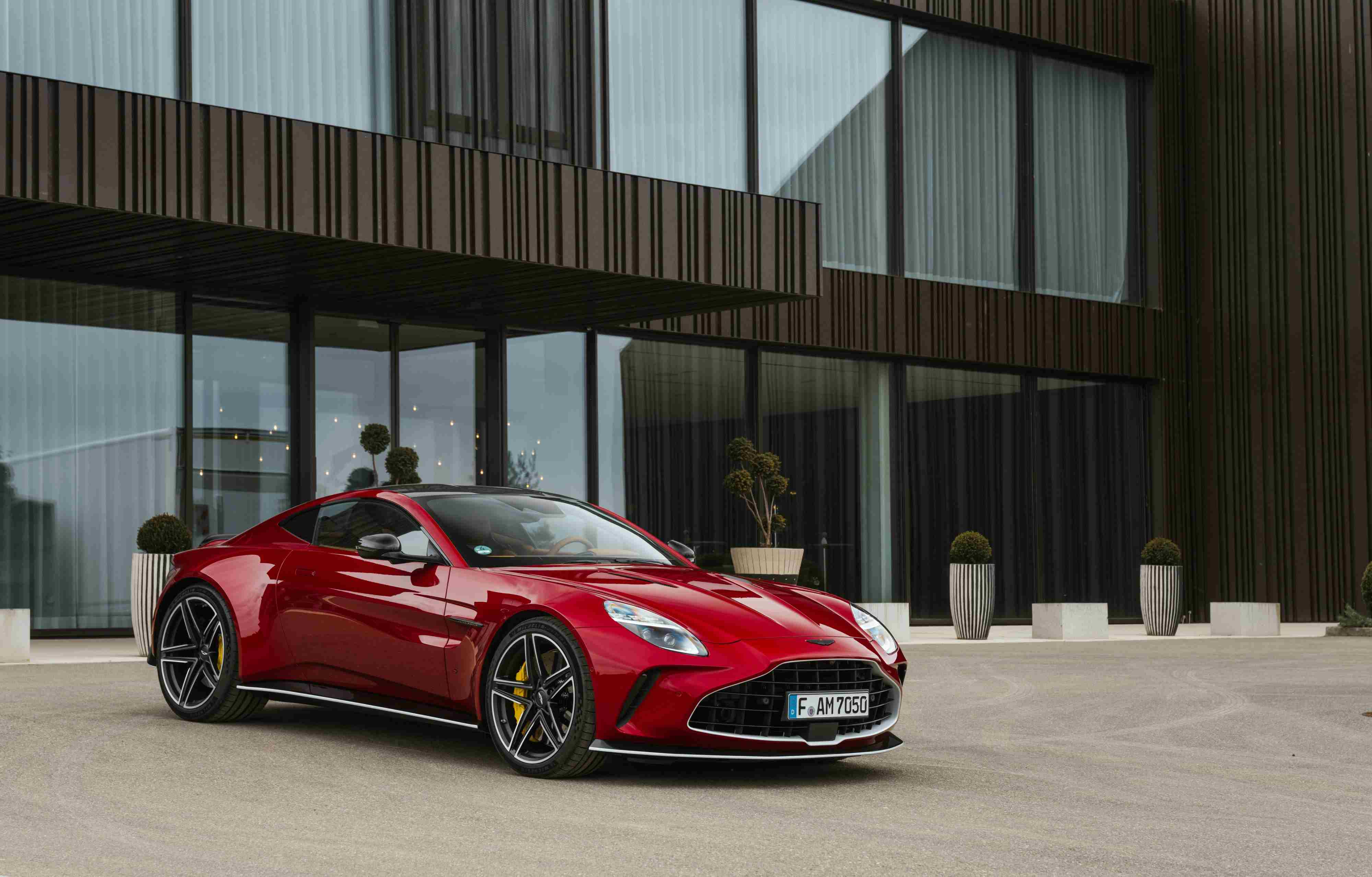
Table of Contents
Aston Martin was founded in Britain in 1913 and has spent more than a century building hand-finished, driver-focused cars. They are engineered and assembled in Gaydon, England, and today they are sold and serviced in Saudi Arabia through the authorised dealer.
This is a short history of the brand, how the cars are made, and what owning one involves here.
From 1913 to the DB era
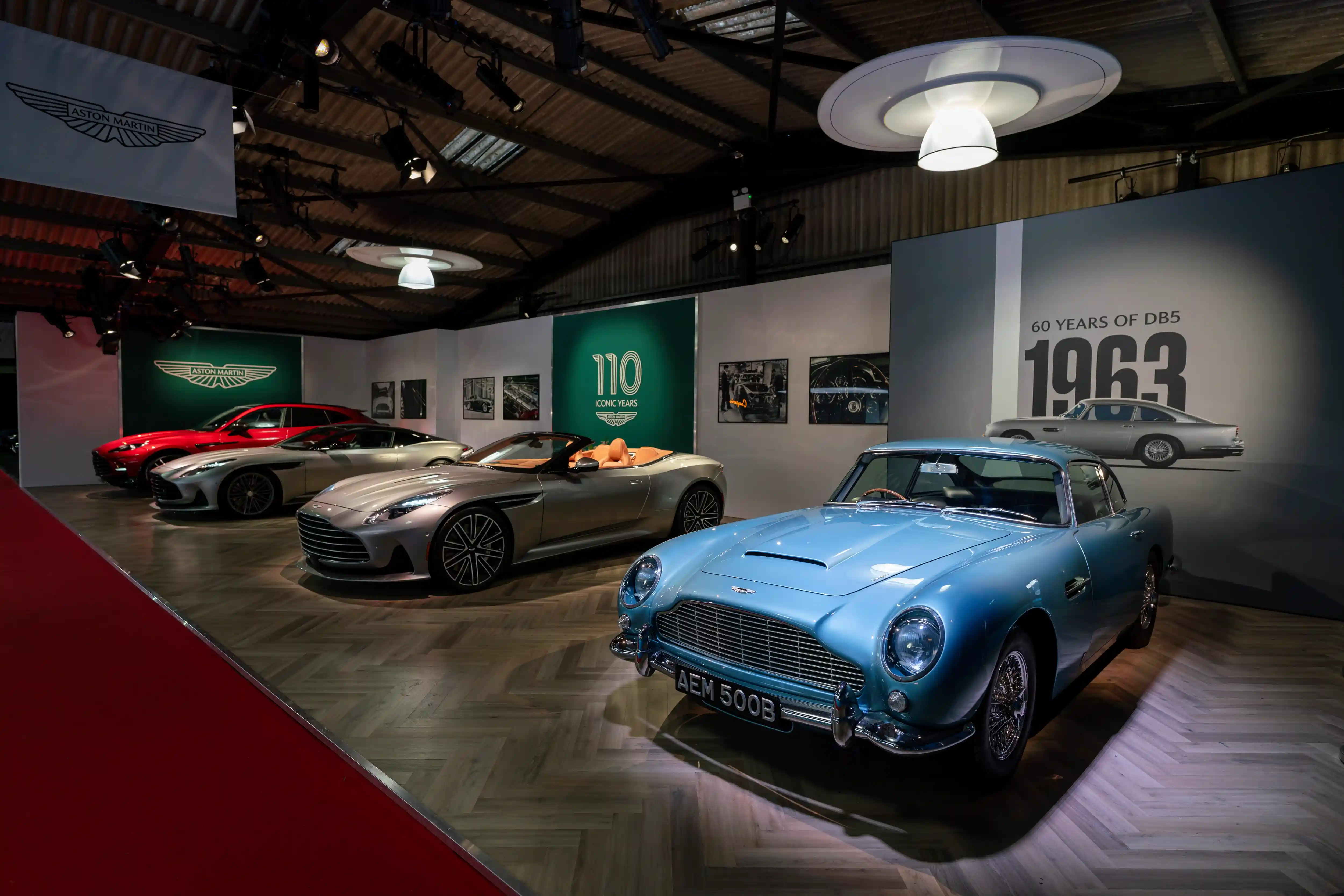
Lionel Martin and Robert Bamford founded the company in 1913. The name joined Martin's surname to Aston Hill, the speed hillclimb in Buckinghamshire where he raced, and competition shaped the company from the start.
The character most people recognise arrived after 1947, when the industrialist David Brown bought Aston Martin. His initials named the DB series, and the cars built through the following decades set the pattern the company still follows: fast, elegant and made largely by hand.
The DB5 of 1963 turned Aston Martin into a household name, helped by its film career, but the substance behind the fame stayed consistent. Aston Martin's idea of luxury has always leaned British: understated rather than loud, engineered as much as styled, and judged as much by how a car drives as by how it looks. That is why the badge has kept its meaning across more than a hundred years.
The modern chapter runs through the DB7 and DB9 that carried the company into the 2000s, the limited-run One-77 and Valkyrie that showed what its engineers could do without constraints, and the current cars designed under Marek Reichman. The through-line is consistency of purpose rather than nostalgia: each generation reworks the same ideas of proportion, hand finishing and driver focus for its own time.
Racing in the blood
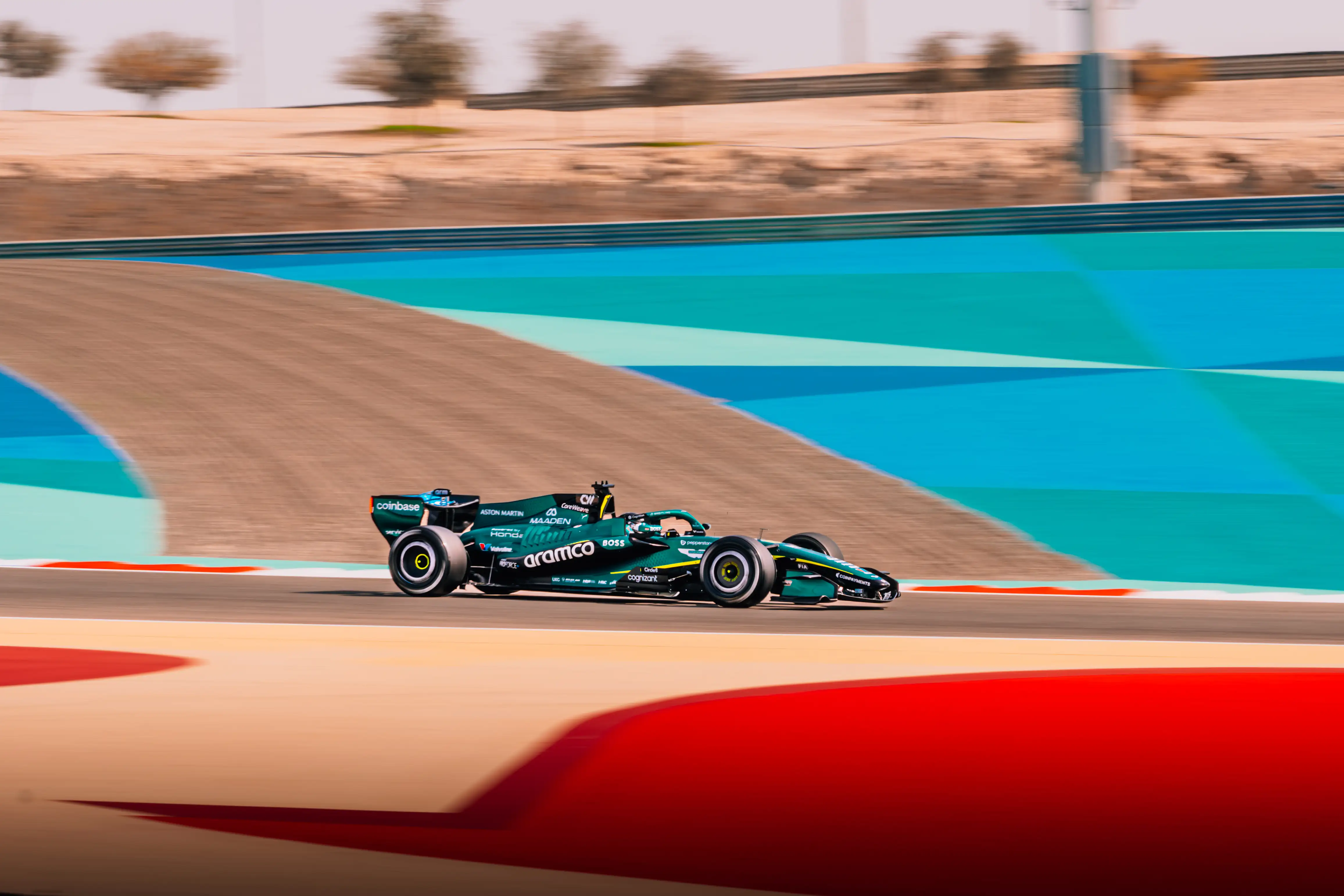
The competition record is real, not decorative. Aston Martin won the Le Mans 24 Hours outright in 1959 with Carroll Shelby and Roy Salvadori driving the DBR1, and took the World Sportscar Championship the same year.
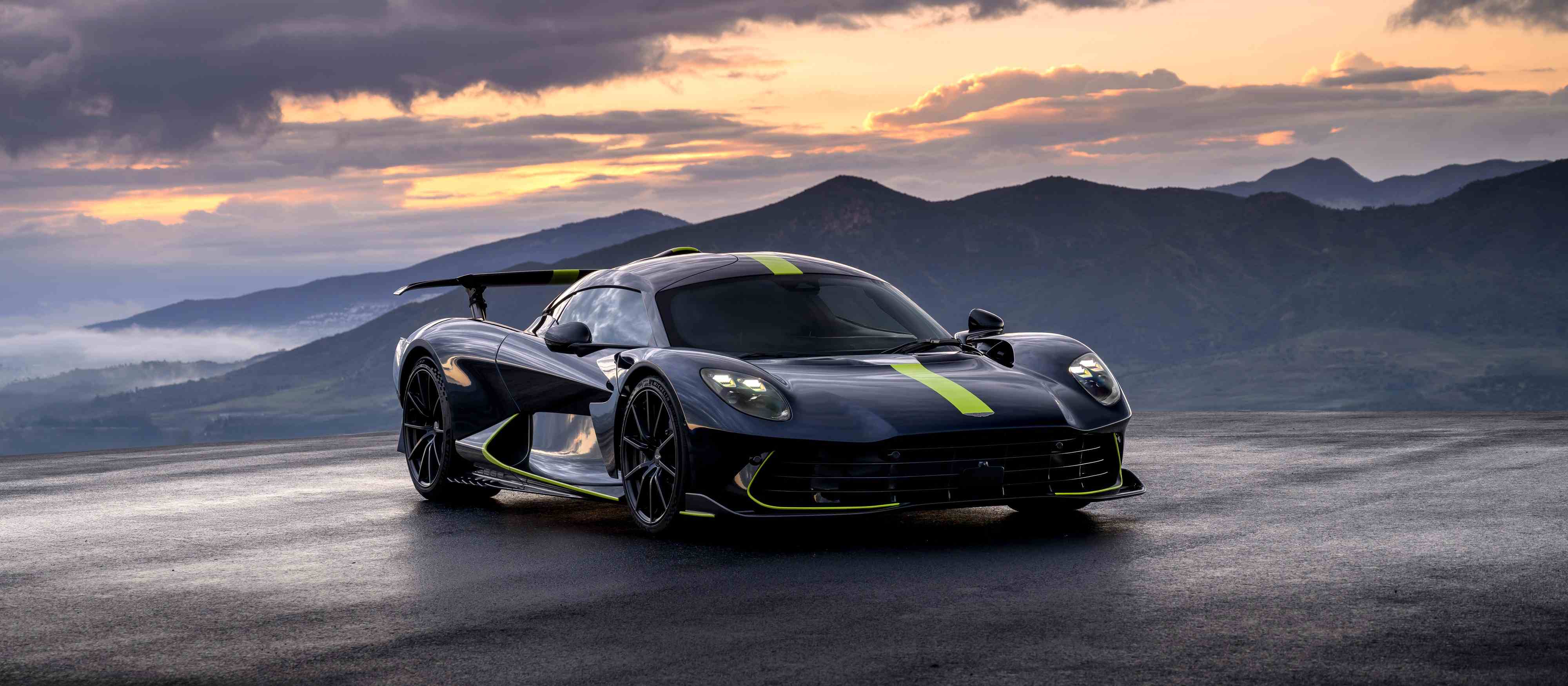
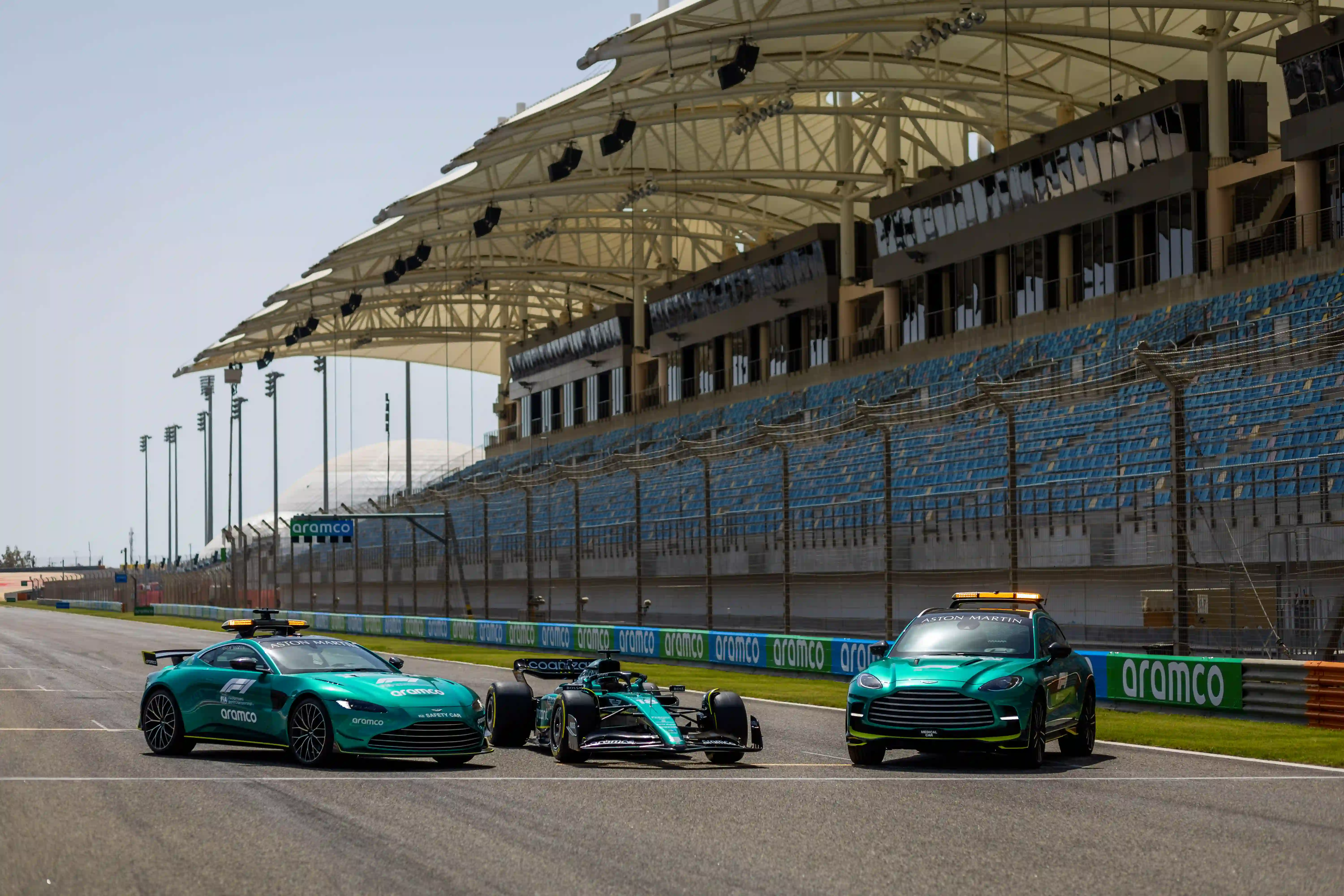
The company has since returned to Formula 1 as the Aston Martin Aramco team, a partnership with obvious relevance to Saudi Arabia, and it continues to race in endurance events, including a return to the top class at Le Mans with the Valkyrie. The point of the racing is engineering: the Valhalla's chassis and electronics come straight out of that Formula 1 work.
How the cars are built
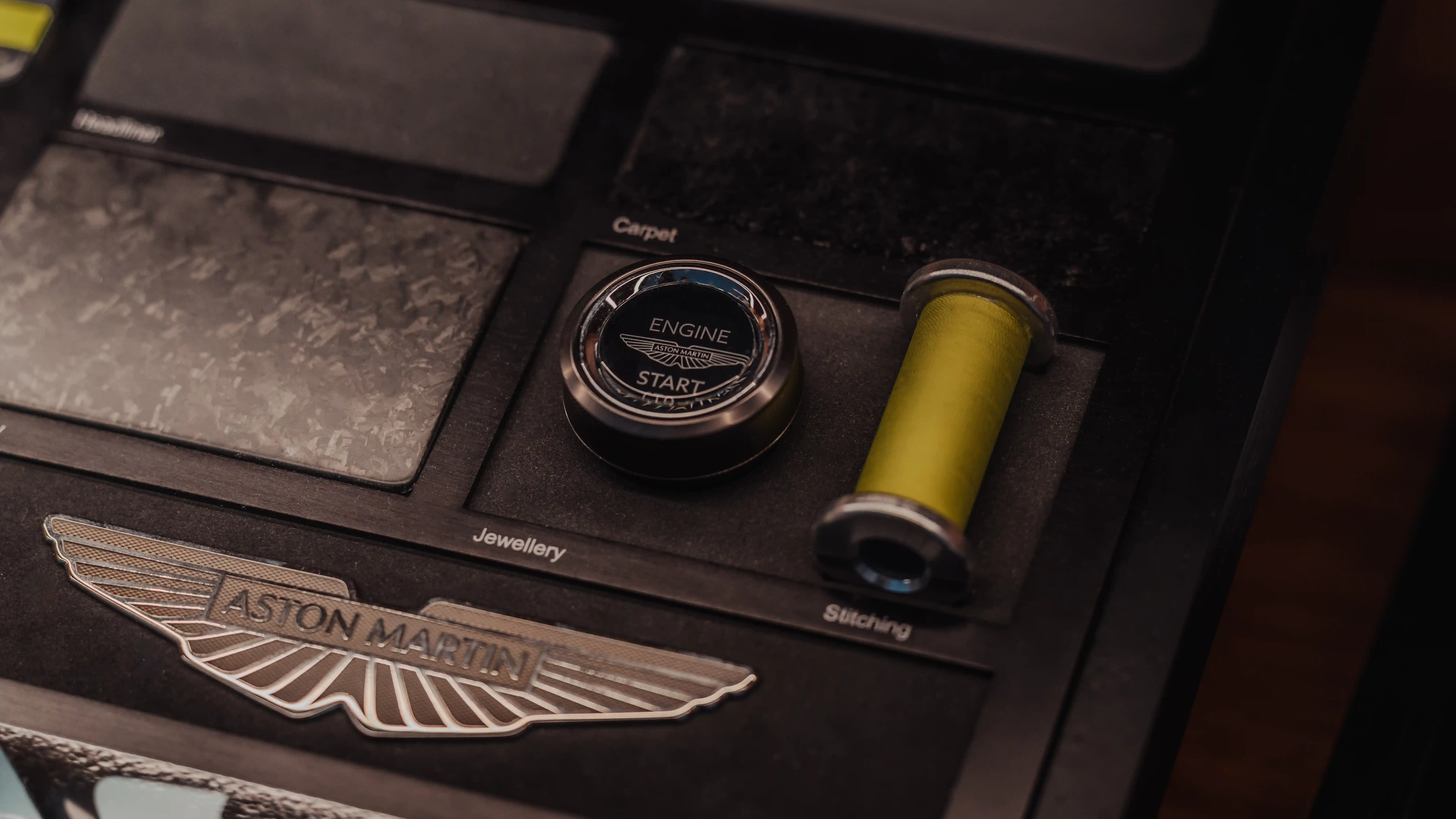
Aston Martin's sports cars and grand tourers are engineered and assembled at Gaydon in Warwickshire, the home the company opened in 2003 after decades at Newport Pagnell. What separates them from mass-market luxury is the amount of work done by hand. Interiors are hand-trimmed, and a single exterior paint finish involves many hours of application and hand-polishing. The weight of the switchgear and the way a door closes are engineered on purpose.
The engines tell the same story. The 5.2-litre twin-turbo V12 in the Vanquish is hand-assembled, and the company still marks its most senior engines with a builder's signature. Materials are chosen to last as well as to look right on delivery: full-grain and semi-aniline leathers, real metal switchgear, and carbon fibre where it earns its place. It is the difference between a car that is assembled and one that is made, and it shows up in the small moments of daily use long after the first impression has faded.
Personalisation runs through the whole experience. Through Q by Aston Martin, buyers commission bespoke paint, materials and detailing, so two cars of the same model can look and feel entirely different.
There is a visual discipline to the design too: the low stance, long bonnet and signature grille carry from one generation to the next, so a new Aston Martin is recognisable without repeating itself. It is a design language that favours proportion over decoration, which is why these cars tend to age well.
A short timeline
| Year | Milestone |
|---|---|
| 1913 | Aston Martin founded by Lionel Martin and Robert Bamford. |
| 1947 | David Brown buys the company; the DB series follows. |
| 1959 | Outright victory at the Le Mans 24 Hours and the World Sportscar Championship. |
| 1963 | The DB5 arrives and becomes a lasting icon. |
| 2003 | Aston Martin opens its Gaydon headquarters. |
| 2020 | The DBX becomes the company's first SUV. |
| 2025 | The Valhalla arrives as the first plug-in hybrid supercar. |
Aston Martin in Saudi Arabia today
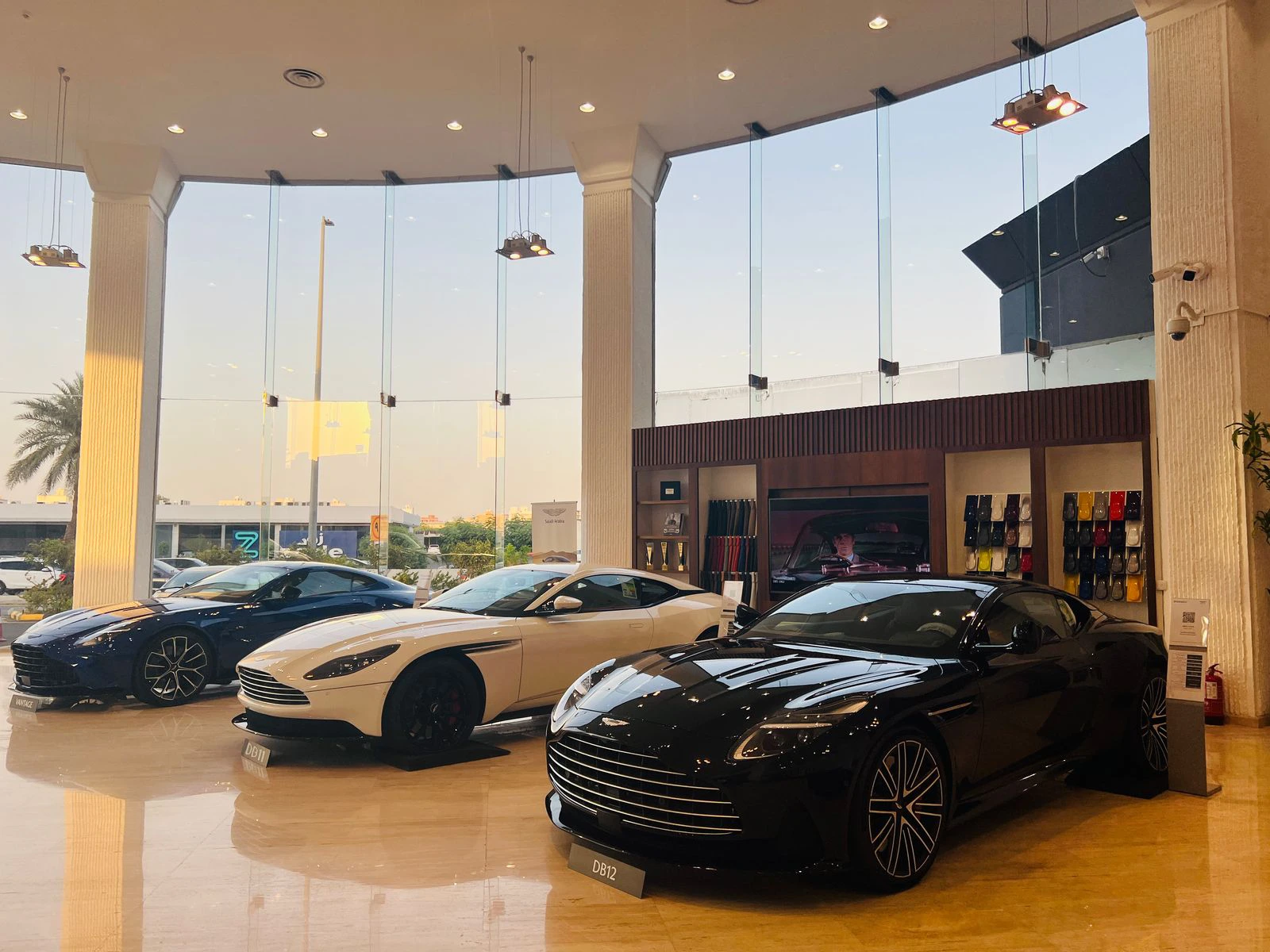
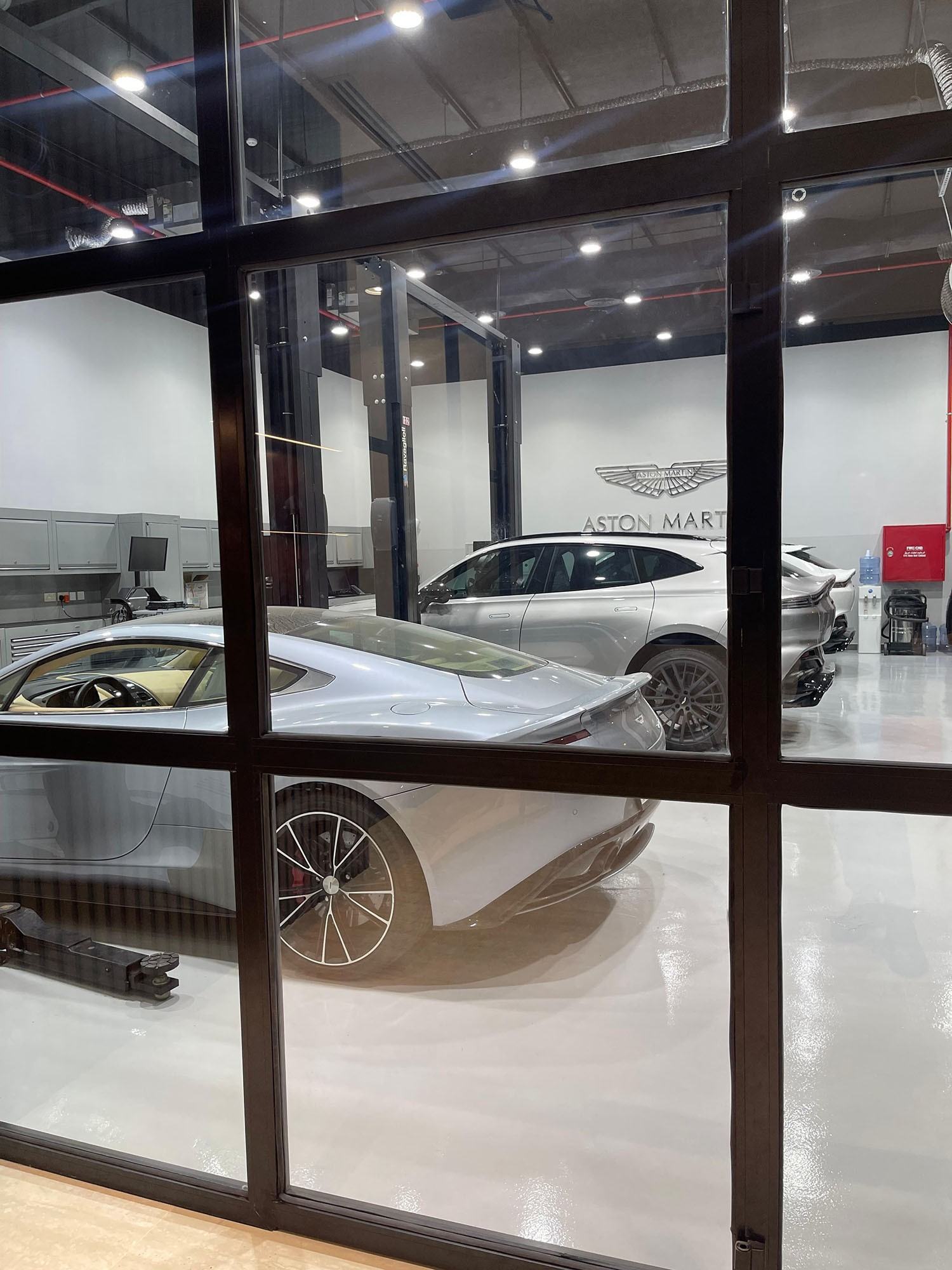
History is only worth so much if you cannot live with it. In Saudi Arabia the current range, from the DB12 super tourer to the Vanquish V12 flagship, is sold through the authorised dealer, with showrooms in Riyadh, Jeddah and Al Khobar. A car can be specified to local taste, and it can be maintained by factory-trained technicians using genuine parts, with after-sales service close to home. The craftsmanship is British, the support is local.
Explore the range or visit a showroom
The best way to understand Aston Martin is to sit in one. Explore the range or contact the dealer to arrange a visit.
Frequently asked questions
When was Aston Martin founded?
In 1913, by Lionel Martin and Robert Bamford in Britain.
Where are Aston Martin cars built?
The sports cars and grand tourers are engineered and assembled in Gaydon, Warwickshire, England.
Can an Aston Martin be serviced in Saudi Arabia?
Yes. The authorised dealer provides factory-trained service, genuine parts and scheduled maintenance in Riyadh, Jeddah and Al Khobar.
What makes Aston Martin's craftsmanship distinctive?
The amount done by hand and the degree of personalisation. Interiors are hand-trimmed, paint is hand-finished, and Q by Aston Martin lets owners commission bespoke colours and materials.